
"pesticide limits"
300 article(s) found

Blue bottle coffee rare Yemeni limited coffee bean introduction popular coffee bean flavor description
Professional coffee knowledge exchange more coffee bean information please follow Coffee Workshop (Wechat cafe_style) YEMEN PORT OF MOKHA AL-JABAL LOT 26 Yemeni Coffee Powder 500 years ago, Yemen was the earliest coffee bean producer in the world. In the 200 years since then, all the coffee drunk around the world was made in Yemen. Even from countries such as Indonesia and Brazil

Yemeni Coffee varieties with complete Grain shape and unique Flavor introduction to Fine Coffee beans in Manor
Yemeni coffee originated from Arabian coffee trees hundreds of years ago, all produced in areas above 3000 feet above sea level. For hundreds of years, the unique planting and production methods of Yemeni coffee have remained almost unchanged. The seedlings of Yemeni coffee trees are first cultivated in nurseries and then transplanted to high elevations. Pesticides and fertilizers are not used in the breeding process. Mature coffee beans are naturally dried on coffee trees and shelled by stone grinding.

Introduction to the Flavor of Fine Coffee beans with unique Grain shape and complete Yemeni Coffee varieties
Yemeni coffee originated from Arabian coffee trees hundreds of years ago, all produced in areas above 3000 feet above sea level. For hundreds of years, the unique planting and production methods of Yemeni coffee have remained almost unchanged. The seedlings of Yemeni coffee trees are first cultivated in nurseries and then transplanted to high elevations. Pesticides and fertilizers are not used in the breeding process. Mature coffee beans are naturally dried on coffee trees and shelled by stone grinding.

Comparison of Pu'er taste between duck droppings fragrant old fir oolong and ancient trees in Lincang, Yunnan Province; the aftertaste characteristics of Wuqu duck poop aroma in 2020
Wujiazhai ancient tree raw tea 2021 Wujiazhai is a mountain village in Yongde County, Lincang City, Yunnan Province. The tea garden is located at an altitude of about 2000 meters to 2200 meters above sea level. It is made of tea harvested from April to May. Like other Pu'er teas, naturally cultivated tea without pesticides and fertilizers is used as the raw material. two hundred and two

What is a coffee cooperative?
Professional coffee knowledge exchange More coffee bean information Please pay attention to coffee workshop (Weixin Official Accounts cafe_style) As its name suggests, coffee cooperatives are cooperative groups composed of many coffee farmers to obtain better resources, such as better marketing resources, business opportunities, personnel training resources, etc. All members of the co-operative have to pay a membership fee and then spend the money

A brief introduction to the treatment method of grinding degree and baking degree of Yemeni boutique coffee beans with endless aftertaste
There are many varieties of Yemeni coffee, most of which are named after their origin and type, with different flavors, such as fresh wood, tobacco, musk, fruit wine, roasted nuts, cocoa and warm seasonings, especially Moha coffee. At present, Yemeni Moha coffee is most famous on the market, such as Isemary, Matari, Sanani and other varieties. Sanani coffee has medium-sized beans and fruit wine style.
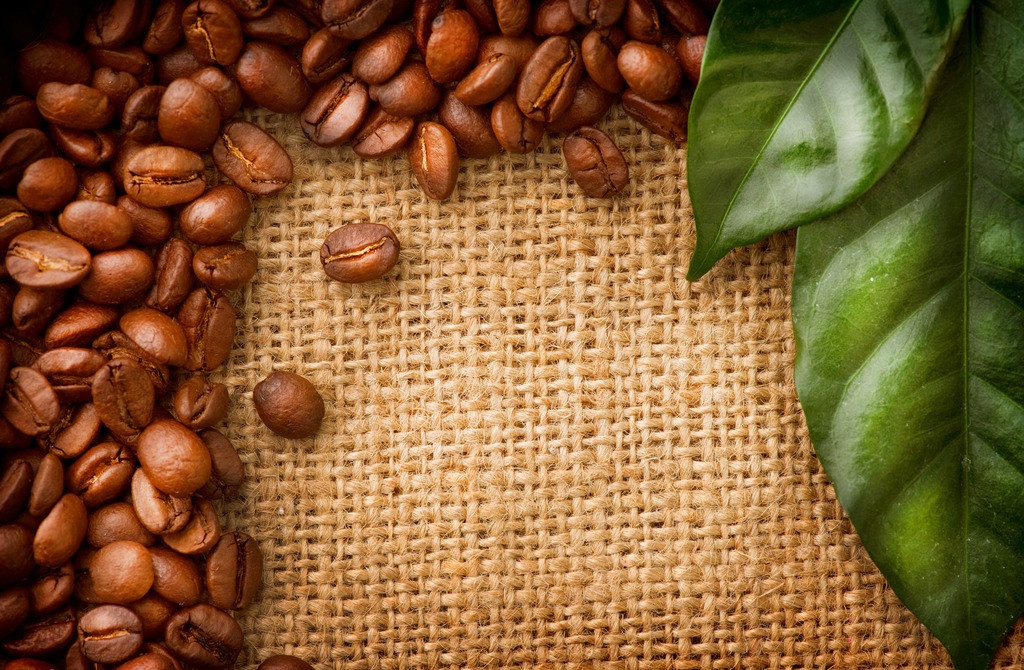
Yemeni coffee varieties with unique flavor and complete grain shape introduce the flavor of fine coffee beans in Manor.
Yemeni coffee originated from Arabian coffee trees hundreds of years ago, all produced in areas above 3000 feet above sea level. For hundreds of years, the unique planting and production methods of Yemeni coffee have remained almost unchanged. The seedlings of Yemeni coffee trees are first cultivated in nurseries and then transplanted to high elevations. Pesticides and fertilizers are not used in the breeding process. Mature coffee beans are naturally dried on coffee trees and shelled by stone grinding.
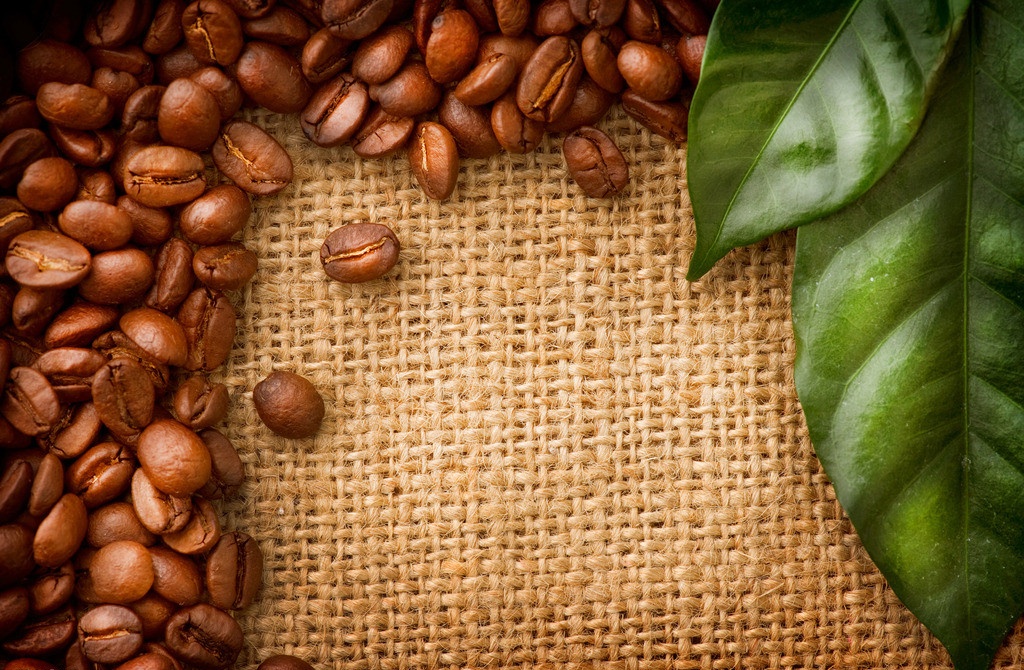
Unique flavor, complete grain shape, taste characteristics of Yemeni coffee varieties, introduction to the flavor of fine coffee beans in the manor.
Yemeni coffee originated from Arabian coffee trees hundreds of years ago, all produced in areas above 3000 feet above sea level. For hundreds of years, the unique planting and production methods of Yemeni coffee have remained almost unchanged. The seedlings of Yemeni coffee trees are first cultivated in nurseries and then transplanted to high elevations. Pesticides and fertilizers are not used in the breeding process. Mature coffee beans are naturally dried on coffee trees and shelled by stone grinding.

Taste characteristics of Yemeni coffee varieties with unique flavor and complete grain shape introduction to the flavor of fine coffee beans in the manor
Yemeni coffee originated from Arabian coffee trees hundreds of years ago, all produced in areas above 3000 feet above sea level. For hundreds of years, the unique planting and production methods of Yemeni coffee have remained almost unchanged. The seedlings of Yemeni coffee trees are first cultivated in nurseries and then transplanted to high elevations. Pesticides and fertilizers are not used in the breeding process. Mature coffee beans are naturally dried on coffee trees and shelled by stone grinding.

What is organic coffee? Is it safer and more delicious?
Professional barista communication Please follow the coffee workshop (Wechat official account cafe_style) according to years of experience, people who ask such questions may not necessarily what is organic coffee? What they really care about is whether organic coffee is safer and tastier. So I'd like to talk a lot about organic coffee. 1. What is organic coffee and what is organic? 2 、

Can Costa Rican coffee be made by hand at La Minita Manor, Costa Rica?
For more information on coffee beans, please follow the Coffee Workshop (Wechat official account cafe_style) La Minita International Coffee Export Company, named after the flagship Hacienda La Minita estate in Tarazhu, Costa Rica. In addition to the flagship manor in Costa Rica, Raminita also offers products from all over the world.

Costa Rican coffee flavor Tarazhu Conqueror Coffee characteristics Costa Rican coffee drinking method
Professional coffee knowledge exchange more coffee bean information please follow the coffee workshop (Wechat official account cafe_style) Product name: Costa Rica La minita Conqueror Tarazu (Costa Rica La Minita El conquistador) production area: Tarrazu (Dota) Manor: La Minita Manor products

Description of coffee flavor, taste and aroma of La minita Tarazhu Conqueror, Costa Rica
For the exchange of professional baristas, please follow the coffee workshop (Wechat official account cafe_style) Product name: Costa Rica La minita Conqueror Costa Rica La Minita El conquistador production area: Tarrazu Dota Manor: Laminita Group (La Minita) manor products: Kaddura, Kaduai

The Development of Organic Coffee: how is Organic Coffee? why do some people buy Organic Coffee beans at High prices
Professional coffee knowledge exchange more information about coffee beans Please follow the coffee workshop (Wechat official account cafe_style) organic coffee, which is produced by organic farming. To understand organic coffee, one must first understand the concept of organic farming (organic farming), which originated in 1924. In 1924, a group of farmers who were concerned about the future of agriculture turned to Germany at that time.

The best Costa Rican coffee comes from Costa Rican coffee Tarrazu, which is produced in Tarazhu.
For the exchange of professional baristas, please follow the coffee workshop (Wechat official account cafe_style) introduction: La Minita International Coffee Export Company, named after Hacienda La Minita, the flagship estate in Tarazu, Costa Rica. In addition to the flagship estate in Costa Rica, Raminita also offers raw coffee beans from all over the world.

Refreshing Yemeni coffee flavor, characteristics, taste and manor
Yemeni coffee originated from Arabian coffee trees hundreds of years ago, all produced in areas above 3000 feet above sea level. For hundreds of years, the unique planting and production methods of Yemeni coffee have remained almost unchanged. The seedlings of Yemeni coffee trees are first cultivated in nurseries and then transplanted to high elevations. Pesticides and fertilizers are not used in the breeding process. Mature coffee beans are naturally dried on coffee trees and shelled by stone grinding.

The latest introduction of Yemeni coffee boutique coffee
Yemeni coffee originated from Arabian coffee trees hundreds of years ago, all of which are produced in areas above 3000 feet above sea level. For hundreds of years, the unique planting and production methods of Yemeni coffee have remained almost unchanged. The seedlings of Yemeni coffee trees are first cultivated in nurseries and then transplanted to high elevations. Pesticides and fertilizers are not used in the breeding process. Mature coffee beans are naturally dried on coffee trees and shelled by stone mill.

How do organic coffee beans taste _ where can I buy organic coffee beans _ how much is organic coffee
Professional coffee knowledge exchange more coffee bean information please follow the coffee workshop (Wechat official account cafe_style) according to years of experience, people who ask such questions may not be right what is organic coffee? Interested, what they really care about is whether organic coffee beans are safer and more delicious. So I'd like to talk a lot about organic coffee beans. 1. What?

Yemeni coffee flavor Yemeni coffee characteristics Yemeni coffee taste
Yemeni coffee originated from Arabian coffee trees hundreds of years ago, all produced in areas above 3000 feet above sea level. For hundreds of years, the unique planting and production methods of Yemeni coffee have remained almost unchanged. The seedlings of Yemeni coffee trees are first cultivated in nurseries and then transplanted to high elevations. Pesticides and fertilizers are not used in the breeding process. Mature coffee beans are naturally dried on coffee trees and shelled by stone grinding.